Best Time To Visit Egypt: A Month-by-Month Guide
Introduction
Egypt is not merely a destination; it is a journey through the cradle of civilization, a dialogue with millennia etched in stone and sand. From the life-giving artery of the Nile to the silent, awe-inspiring deserts and the vibrant coral cities beneath the Red Sea, Egypt offers a staggering array of experiences. However, its climate—dominated by intense heat for much of the year—makes timing crucial. This guide will navigate you through Egypt’s seasons, month by month, to help you discover the perfect time for your personal odyssey.
January: Crisp Winter Clarity
Weather: Peak of the Egyptian winter. Days are pleasantly cool and sunny, especially in the south. Cairo and Luxor see daytime highs of 18-22°C (64-72°F), but nights can be surprisingly chilly, dropping to 8°C (46°F) or lower. The Sinai and Red Sea coast are milder, perfect for respite.

The Experience: This is the prime tourist season for a reason. The weather is ideal for extensive exploration without the exhausting heat. It’s the best time to stand before the Great Pyramids of Giza or spend hours in the Valley of the Kings, exploring deep tombs in comfort. Nile cruises between Luxor and Aswan are exceptionally pleasant. Pack layers—a warm jacket for dawn balloon rides over Luxor or chilly evenings is essential. Be prepared for higher prices and crowds at major sites.
February: Persistent Cool & Coastal Charm
Weather: Very similar to January—cool, sunny days and cold nights. There’s a slightly higher chance of sporadic rain in Cairo (Alexandria sees more), but it’s generally dry. The Red Sea water is at its coolest but still swimmable for many.
The Experience: Continue to enjoy optimal sightseeing conditions. It’s a fantastic month for a more balanced trip: combine the archaeological wonders with a few days of diving or snorkeling in the Red Sea at Hurghada or Sharm El-Sheikh. The water may be brisk, but underwater visibility is often excellent. In the south, don’t miss the magnificent Temple of Abu Simbel; the crisp air makes the journey across the desert comfortable.
March: The Gentle Shift
Weather: A transitional month where winter begins to fade. Temperatures start their ascent, with Cairo and Luxor reaching a very comfortable 25°C (77°F) on warmer days. Nights become less cold. The khamsin, a hot, sandy wind from the desert, can occasionally appear, especially late in the month.

The Experience: One of the best months to visit. The weather is glorious for outdoor activities and long temple days. It’s perfect for a felucca sail on the Nile at Aswan or exploring the vast Karnak Temple complex in Luxor without the peak-season crowds (which begin to thin after February). It’s also an ideal time for a desert safari in the White Desert near Bahariya, as the daytime heat is manageable.
April: Spring in Bloom
Weather: Warm and generally dry. Daytime temperatures in Upper Egypt (Luxor, Aswan) can reach a toasty 30-35°C (86-95°F), while Cairo remains in the high 20s°C (low 80s°F). The khamsin wind is more likely, potentially causing sandstorms for a day or two.
The Experience: A wonderful time for Nile cruising, as the sun is strong but not yet overpowering. The Sham El-Nessim festival, an ancient spring celebration dating back to the Pharaohs, falls on the Monday after Coptic Easter (variable date in April). Egyptians celebrate with picnics, making parks and the Nile Corniche lively. It’s the last call for comfortable desert exploration before the summer inferno.
May: The Gateway to Summer
Weather: The heat becomes pronounced. In the south, temperatures regularly soar above 38°C (100°F). Cairo is hot but less extreme. The Red Sea coast begins to heat up significantly. The sun is intense.
The Experience: This month marks the shift towards the low-season bargain period. It is best for Red Sea enthusiasts who prioritize beach and underwater time over strenuous cultural tours. Resort stays in Hurghada, Marsa Alam, or Dahab offer great value. For historical sites, you must start early—aim to be at the pyramids or temples at opening time, seek shade in the afternoon, and hydrate relentlessly. Crowds at major sites diminish.
June, July, August: The Scorching Summer
Weather: Intensely hot and dry. Luxor and Aswan can see temperatures of 40-45°C (104-113°F) in the shade. Cairo is extremely hot and humid. The Red Sea coast is very hot, but sea breezes offer some relief. The Sinai desert is fiercely hot.
The Experience: This is the domain of the heat-tolerant and budget-conscious traveler. Sightseeing requires a military-style dawn strategy. The advantage? You’ll have iconic places like the Sphinx or the Temples of Philae almost to yourself by midday. It is the absolute best time for a pure Red Sea holiday. The water is like a warm bath, perfect for extended diving sessions, and resort prices are at their lowest. Indoor, air-conditioned museums like the Grand Egyptian Museum (GEM) and the National Museum of Egyptian Civilization become welcome sanctuaries.
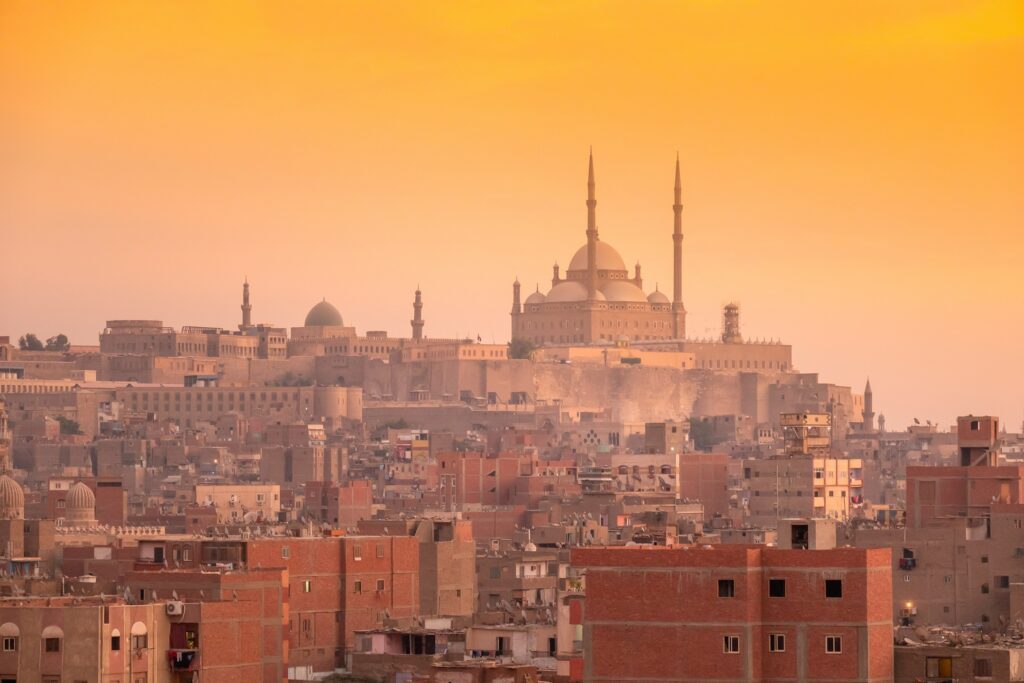
September: The Slow Cooldown
Weather: The brutal heat begins to slowly abate, but it remains very hot, especially in the first half. Humidity can be high. By late September, temperatures become more manageable, particularly in the north.
The Experience: A transitional month offering a good compromise. Summer crowds are gone, and prices remain low, while the punishing heat starts to relent. It’s a great month to split your time: enjoy the last of the summer diving deals on the Red Sea, then head to Cairo or Luxor as the month progresses, taking advantage of quieter sites. The Nile is calm and inviting for a late-afternoon felucca ride.
October: The Sweet Spot Returns
Weather: Glorious. The heat breaks, ushering in clear, sunny, and warm days with pleasantly cool evenings. Cairo sees highs around 28°C (82°F), Luxor around 35°C (95°F), but the dry air makes it feel comfortable.
The Experience: Arguably one of the two best months to visit Egypt (along with November). The weather is near-perfect for every activity. It’s prime time for a classic Nile Cruise, exploring ancient ruins from dawn to dusk, and for desert adventures. The Red Sea remains wonderfully warm. The major tourist wave hasn’t fully hit yet, making it an ideal window for a comprehensive Egyptian experience.
November: Peak Perfection
Weather: Similar to October—sunny, warm days and cool, crisp nights. The intensity of the sun diminishes slightly, making midday exploration more comfortable. Rain is still exceptionally rare.
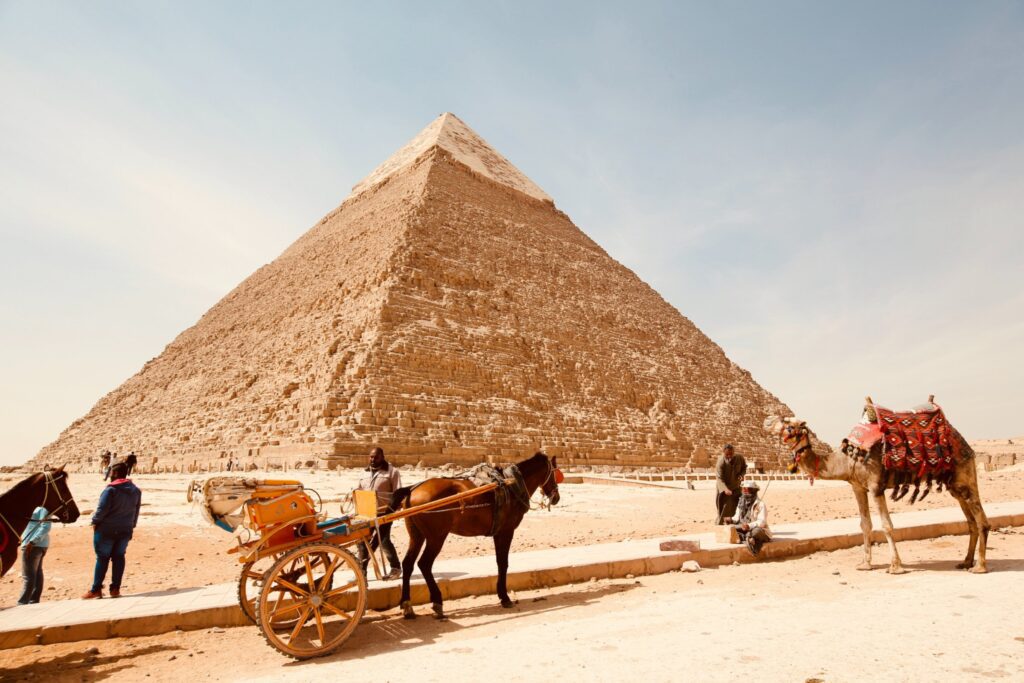
The Experience: This is peak season for good reason. Conditions are optimal for everything: climbing inside the Great Pyramid, hot air ballooning at dawn over the West Bank of Luxor, hiking to Mount Sinai for sunrise, or diving in the Thistlegorm wreck in the Red Sea. The country is vibrant, and all tours and attractions are running at full capacity. Book everything well in advance.
December: Festive & Mild
Weather: Mild winter sets in. Days are pleasantly cool (Cairo: 18-22°C / 64-72°F), and nights are cold, especially in desert areas. The Sinai mountains can be quite cold. Rain is possible, but brief, in the north.
The Experience: The festive season brings a unique charm, with hotels in Cairo and cruise ships often decorating for Christmas and New Year. The weather is excellent for sightseeing, though not quite as uniformly warm as October-November. It’s a wonderful time to explore Islamic Cairo and the Khan el-Khalili bazaar on foot or to visit the beautiful Bibliotheca Alexandrina in Alexandria. New Year’s Eve in Giza or Sharm El-Sheikh is a major, lively event.
The Verdict: Finding Your Egyptian Season
-
For Perfect Weather & Full Exploration: October, November, March, and April. These months offer the ideal balance of temperature, comfort, and clear skies for a complete historical and recreational tour.
-
For Peak Season Comfort (with Crowds): December through February. Enjoy the coolest temperatures but be ready for the highest prices and largest tour groups at iconic sites.
-
For Budget Beach & Dive Trips: May through September. Embrace the heat for unparalleled value at Red Sea resorts and have archaeological sites largely to yourself—if you can handle the early mornings.
-
For Cultural Immersion & Good Deals: September and late April/May. Experience Egypt as the crowds thin, the pace slows, and prices drop, while the climate remains workable with planning.
Ultimately, Egypt is a land of eternal wonders, waiting under a relentless sun. There is always a compelling reason to visit. By aligning your travel style—be it as an intrepid explorer, a leisurely cruiser, or a sun-seeking diver—with the rhythms of its climate, you will unlock your own perfect moment in this timeless realm.