The Eternal City’s Unseen Chorus: Birding in Rome
When one thinks of Rome, the mind floods with visions of ancient ruins, baroque fountains, and the relentless hum of Vespas. The soundtrack is assumed to be human: chatter, clinking glasses, the toll of church bells. But listen closer. Above the marble and terracotta, a different symphony plays—one of trills, chirps, and soaring cries. To go birding in Rome is to discover the city’s wild, winged heart, a pursuit where history and natural history converge, and where your focus word isn’t “forum,” but sea.
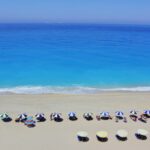
This may seem paradoxical. Rome is famously the city on the Tiber, not the Tyrrhenian coast. Yet, the sea is the invisible architect of its avian life. Rome sits on a major migration highway, the Mediterranean Flyway. Each spring and autumn, millions of birds—warblers, raptors, storks, herons—undertake epic journeys between Europe and Africa. The coastline, just 25 kilometers west, acts as a guiding barrier, funneling these travelers. For many, the sprawling green spaces of Rome become an essential pit stop, a lush oasis after or before the perilous crossing of the open sea.
This sea-driven phenomenon transforms the city’s parks from pleasant landscaped gardens into vital international terminals. The crown jewel is the Parco Regionale dell’Appia Antica. Here, amid crumbling aqueducts and ancient cobblestones, you might spot a sleek European Bee-eater, its colors a kaleidoscope plucked from a tropical sea, resting after its marathon flight. Overhead, the shrill call of the Common Swift echoes, a bird that spends almost its entire life on the wing, even sleeping in the air, born of the sky as much as any fish is of the sea.
Venture to the Tiber River itself, the city’s original lifeline to the sea. Its banks host Yellow-legged Gulls—noisy, charismatic opportunists whose ancestors followed Roman ships upriver from the coast. In the reed beds, listen for the explosive song of the Cetti’s Warbler, a secretive bird that thrives in dense thickets, a world away from the open sea that indirectly brought its ancestors here.
But the most profound connection to the sea is found at Rome’s monumental resting place, the Non-Catholic Cemetery. Under the shade of cypress trees, beside the graves of Keats and Shelley, European Serins sing their tinkling songs. It is a serene spot to reflect on the journey of these birds, whose compass is coded to the rhythms of the planet, tied to the sea they must cross. The cemetery, a haven of quiet contemplation, mirrors the park’s role as a haven for weary travelers—both human and avian.
For the birder, Rome offers a unique duality. One moment you’re training your binoculars on a Blackcap in a pine tree, the next you pan slightly to frame the bird with the distant dome of St. Peter’s. The Common Nightingale sings its virtuosic aria in the same gardens where emperors walked. The Hoopoe, with its exotic crown, forages on lawns that blanket millennia of history.
Practical Tips for the Urban Birder:
-
When to Go: Migration seasons (April-May and September-October) are spectacular, offering the greatest diversity from the flyway.
-
Where to Go: Focus on large green spaces: the Appia Antica Park, Villa Doria Pamphili, Villa Ada, and the botanical garden at Orto Botanico. Even the Borghese Gardens can surprise.
-
Listen: Often, you’ll hear birds before you see them. The chorus at dawn in these Roman parks is a testament to the life buzzing beyond the ancient stones.
-
Look Up: Watch for swifts, swallows, and house martins hawking insects over piazzas, and scan the skies for the occasional bird of prey, like a European Kestrel, riding the thermal currents.
Birding in Rome is an exercise in expanded awareness. It connects the Colosseum to the coastline, the local sparrow to the vast, guiding sea. It reveals that the city is not a static museum, but a living, breathing ecosystem perched on the edge of a great migratory sea-route. So, on your next visit, pack your binoculars alongside your guidebook. Seek the unseen chorus, and discover how Rome’s eternal story is written, season after season, on the wing.