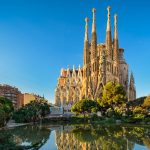
Month-by-Month Istanbul Birding Guide
Introduction
You know Istanbul for its majestic domes and bustling bazaars. But look up. Above this ancient crossroads, another epic migration has been flowing for millennia—a silent river of wings connecting continents. This spring, trade the well-trodden path for a hidden trail, and discover why Istanbul is whispered among global birders as one of the planet’s most astonishing urban wildlife spectacles.
This Isn’t Just Birdwatching. It’s Time Travel.
Imagine standing on a forested hill in Asia, with a view of Europe in the distance. In your binoculars, not ships, but a flock of Lesser Spotted Eagles—each with a seven-foot wingspan—soaring on thermals that have carried them from Africa. Minutes later, a kaleidoscopic swirl of European Bee-eaters, jewels against the blue, chatters past. This is the Bosphorus Flyway, and for a few magical weeks, Istanbul becomes the world’s greatest theater of migration.
Our exclusive “Istanbul Birdwatching” day tour is curated not just to show you birds, but to immerse you in this phenomenon. We are not just guides; we are your interpreters of this aerial odyssey.
January
-
Theme: Wintering waterfowl, resident species.
-
Highlights:
-
Large flocks of Common Pochard, Tufted Duck, Mallard, and Coot on the lakes.
-
Great Crested Grebe and Black-necked Grebe.
-
Flamingos (numbers vary by winter severity, often present).
-
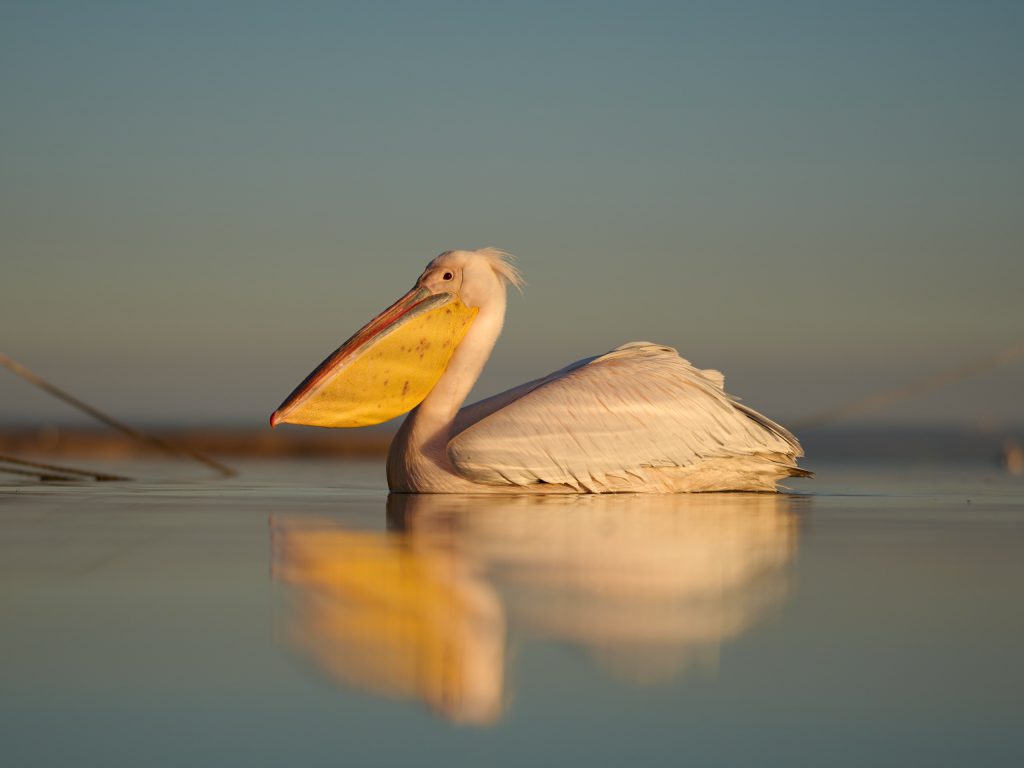
Dalmatian Pelican (a majestic but irregular winter visitor, mainly at Büyükçekmece).
-
Forest residents like Great Spotted Woodpecker, Jay, Wren, Hawfinch.
-
-
Notes: Cold, often grey weather. Focus on lakes and sheltered woods.
February
-
Theme: Late winter, early signs of movement.
-
Highlights:
-
Wintering ducks still present.
-
Early returning White Wagtails and Skylarks may appear.
-
Great Tit and Blue Tit become very vocal, starting territorial calls.
-
Resident raptors like Sparrowhawk and Common Buzzard more active.
-
-
Notes: Can be unpredictable; late cold snaps or early warm spells.
March
-
Theme: The awakening. Migration begins in earnest.
-
Highlights:
-
First major wave of passerines: Blackcaps, Chiffchaffs, Northern Wheatears.
-
Early raptors: Lesser Spotted Eagle and Black Kite movement starts late March.
-
Storks appear (first White, then Black).
-
Swallows, House Martins, and Sand Martins arrive.
-
Flocks of Common Starling may still be seen before dispersing.
-
-
Notes: Weather is highly variable. Migration intensity depends on southerly winds.
April
-
Theme: PEAK SPRING MIGRATION. One of the two best birding months.
-
Highlights:
-
Raptor Peak: Mid-late April is best for massive flocks of Lesser Spotted Eagle, Black Kite, Honey Buzzard, Booted Eagle, Levant Sparrowhawk over the Bosphorus.
-
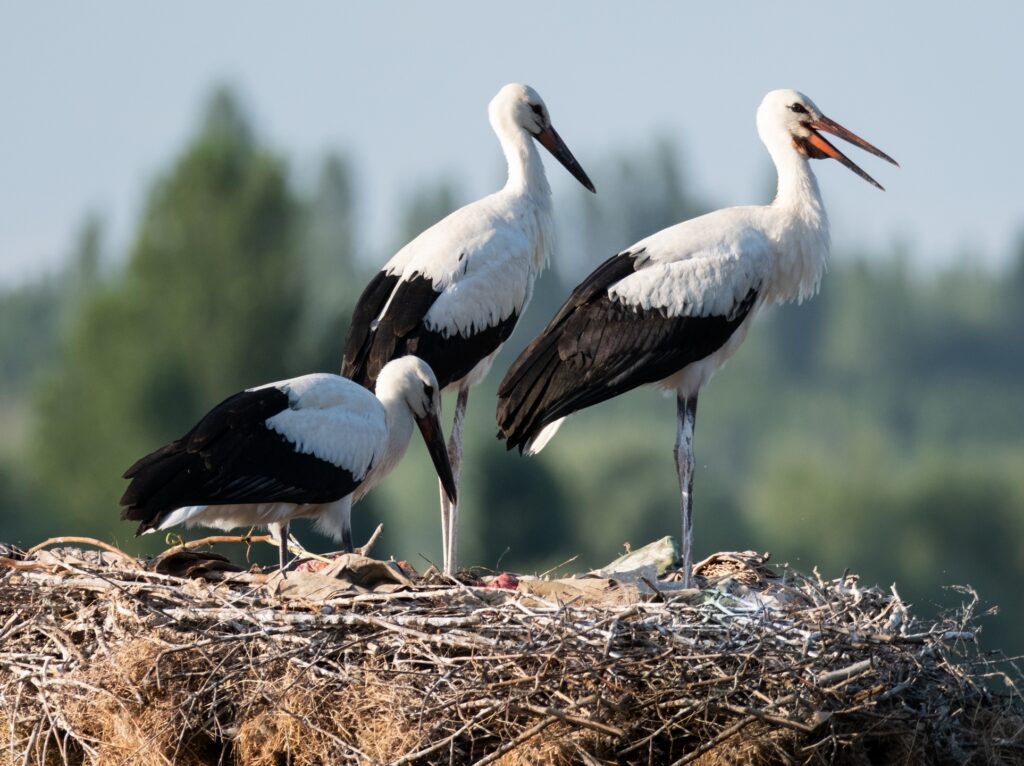
Stork spectacle: Thousands of White and Black Storks circling on thermals.
-
Colorful migrants in full force: European Bee-eater, European Roller, Golden Oriole.
-
Wader passage at lagoons: Wood Sandpiper, Little Stint, Ruff.
-
Warblers everywhere: Willow Warbler, Whitethroat, Reed Warbler.
-
-
Notes: Bird everywhere. Check high points for raptors, woods for passerines, lakes for waders.
May
-
Theme: Late spring migration, breeding season begins.
-
Highlights:
-
Migration continues strongly in first two weeks, then slows.
-
Nightingales sing day and night in every patch of scrub.
-
Honey Buzzards peak in early May.
-
All summer breeders are present and singing: Red-backed Shrike, Spotted Flycatcher, Cuckoo.
-
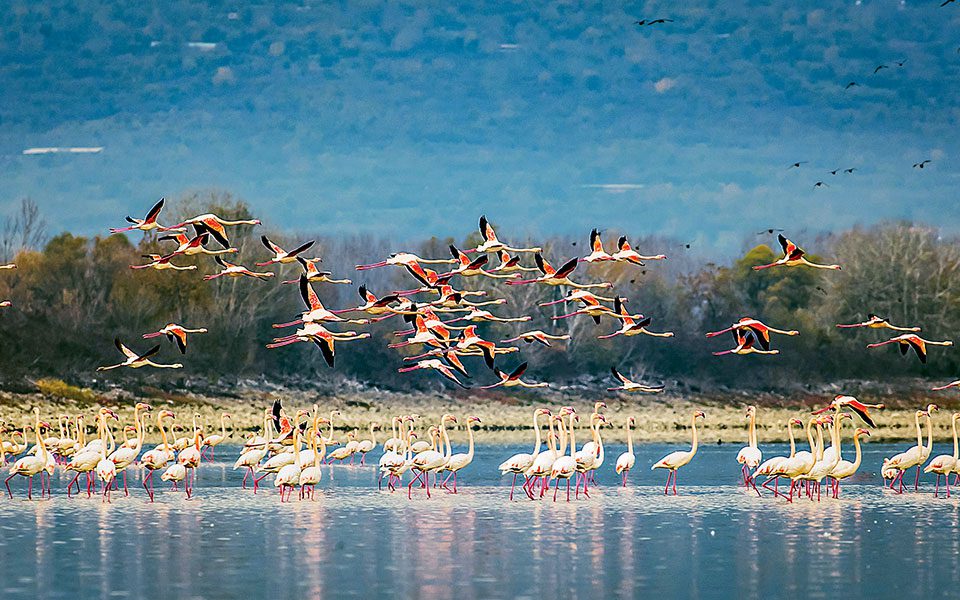
Flamingo flocks are still impressive, often in vibrant pink breeding plumage.
-
-
Notes: Pleasant weather, lush greenery. Ideal for birding.
June
-
Theme: Full summer. Breeding season.
-
Highlights:
-
Resident and summer-visiting birds are busy nesting. Song activity decreases by month’s end.
-
Good time for seeing fledglings (young birds).
-
Seabirds more active: Look for Yellow-legged Gulls, Mediterranean Gulls, and Cormorants around islands and cliffs.
-
Hobbies may be seen hunting dragonflies over lakes.
-
-
Notes: Can be hot. Bird early morning. Focus on forests and lakes at dawn.
July
-
Theme: Summer doldrums, but early migration starts!
-
Highlights:
-
First southbound migrants appear by mid-month: Wood Sandpipers, Little Ringed Plovers, and Yellow Wagtails.
-
Post-breeding dispersal of species like White Stork (flocks form).
-
Swifts (Common & Alpine) still very active over the city.
-
-
Notes: The quietest month for diversity, but the turnaround begins surprisingly early.
August
-
Theme: Southbound migration builds steadily.
-
Highlights:
-
Wader passage peaks at the lagoons. Great variety: Greenshank, Spotted Redshank, Curlew Sandpiper, Avocet.
-
Early raptor migration begins: Honey Buzzard, Black Kite, Marsh Harrier.
-
Warblers and flycatchers (Spotted, Pied) on the move through parks.
-
White Stork flocks grow larger.
-
-
Notes: Can be hot, but migration is undeniable. Excellent for waders.
September
-
Theme: PEAK AUTUMN MIGRATION. The second best month (less spectacular than spring but more prolonged).
-
Highlights:
-
Raptor migration continues with Honey Buzzard, Montagu’s Harrier, Egyptian Vulture (rare), and various eagles.
-
Massive flocks of Bee-eaters and Swallows/martins heading south.
-
Passerine wave: Pipits, Wagtails, Whinchats, Warblers.
-
Osprey passage over the Bosphorus.
-
-
Notes: Weather is usually excellent. Migration is widespread.
October
-
Theme: Late autumn migration, winter arrivals.
-
Highlights:
-
Last raptors (Sparrowhawks, late buzzards).
-
Finch and bunting movement: Chaffinch, Brambling, Serin.
-
First wintering ducks arrive (Pochard, Tufted Duck).
-
Robins and Song Thrushes arrive from the north.
-
Great White Egret numbers increase.
-
-
Notes: A month of transition. Winter bird communities start to form on lakes.
November
-
Theme: Winter sets in.
-
Highlights:
-
Wintering waterfowl numbers stabilize. Flocks of Cormorants are prominent.
-
Flamingos return to the lagoons in good numbers.
-
Black-throated Diver and Red-throated Diver possible in the straits.
-
Forest flocks form: Tits, Kinglets, Treecreepers.
-
-
Notes: Often rainy and windy. Birding shifts back to lakes and sheltered areas.
December
-
Theme: Mid-winter. Focus on waterbirds and residents.
-
Highlights:
-
Duck spectacles at their peak on the lakes.
-
Chance of rarer winter visitors: Smew, Goosander, White-headed Duck (at safe, quiet lakes).
-
Seabirds in the Bosphorus: Black-legged Kittiwake (in storms), Razorbill.
-
Coastal waders like Sanderling and Turnstone on rocky shores.
-
-
Notes: Short days, cold. Rewarding for waterbird enthusiasts.
Summary Table
| Month | Key Theme | Must-See Highlights |
|---|---|---|
| Jan-Feb | Wintering | Ducks, Grebes, Flamingos, Pelicans (rare), Woodpeckers |
| Mar | Early Migration | First Warblers, Wheatears, Swallows, Early Raptors |
| Apr | SPRING PEAK | Raptor River, Storks, Bee-eaters, Rollers, All Warblers |
| May | Late Spring/Breeding | Nightingales, Orioles, Late Raptors, Breeding Shrikes |
| Jun-Jul | Summer/Breeding | Seabirds, Fledglings, Early returning waders (from July) |
| Aug | Autumn Build-up | Wader Peak, Early Raptors, Bee-eater Flocks |
| Sep | AUTUMN PEAK | Raptors, Osprey, Massive Passerine Waves |
| Oct | Late Autumn Shift | Finches, Last Raptors, First Winter Ducks, Robins |
| Nov-Dec | Wintering | Duck Flocks, Flamingos, Divers, Winter Forest Flocks |
Final Tip: Istanbul’s birdlife is always dynamic. Coastal weather (rain, fog, wind) can ground migrants (a “fallout”) in parks and islands at any peak season, creating spectacular birding opportunities.
Important Readings
What birds can be spotted in Istanbul during Winter? , A Winter Symphony: Wild Swans and Waterbirds of Enez and Gala Lake, Birdhouses in Turkey, Birdwatching in Turkey