
Plan Your Visit to Pompeii | Complete Guide 2026-2027
Introduction
Frozen in time by the catastrophic eruption of Mount Vesuvius in 79 AD, Pompeii is not just an archaeological site; it’s a poignant, immersive journey into the daily life of the ancient Roman world. Walking its stone streets allows you to step directly into history. This comprehensive guide for 2026-2027 covers everything from history and logistics to where to eat and what weather to expect, ensuring you plan a seamless, insightful, and profoundly moving visit.
A Short History: From Thriving City to Time Capsule
Founded in the 7th or 6th century BC, Pompeii began as a settlement of the Osci people. Over centuries, it fell under Greek, Etruscan, and Samnite influence before becoming a thriving Roman colony in 80 BC. By the 1st century AD, it was a prosperous port and resort town with a population of 10,000-20,000, boasting sophisticated infrastructure like aqueducts, public baths, theaters, and bustling markets.
The Day the World Stopped: The Eruption of 79 AD
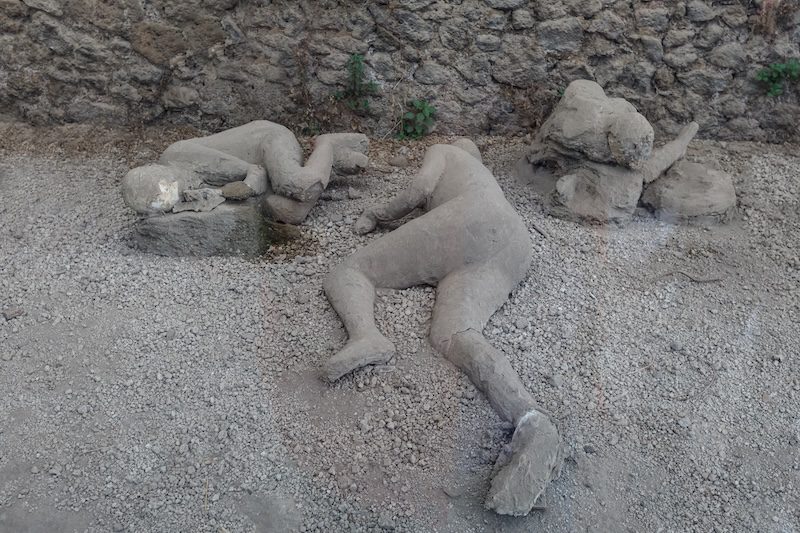
On August 24 (or possibly October 24, based on recent finds), 79 AD, Mount Vesuvius erupted cataclysmically. The eruption lasted approximately 24 hours in two lethal phases. First, a towering column of pumice and ash rained down for hours, collapsing roofs. Then, a series of pyroclastic surges—superheated, toxic clouds of gas and volcanic debris racing over 60 mph—engulfed Pompeii and neighboring Herculaneum, instantly asphyxiating the remaining population and sealing the city under meters of ash. This tragedy preserved Pompeii in astonishing detail, from frescoes to the haunting plaster casts of the victims.
Why Visit Pompeii?
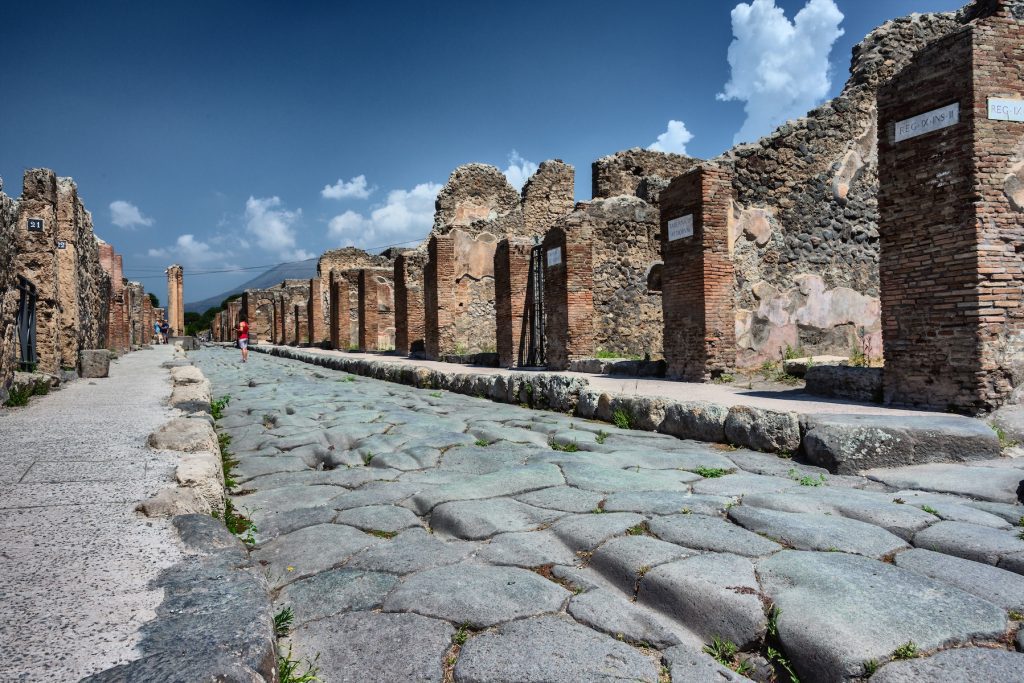
Pompeii offers a uniquely intact snapshot of Roman life—from grand public spaces to intimate domestic scenes. It’s where history becomes tangible: you walk on original streets with chariot ruts and stand in ancient bakeries and theaters. The poignant casts of its victims add a deeply human and emotional layer, making it a powerful, unforgettable destination.

Essential Trip-Planning Details for 2026-2027
Opening Hours:
-
April 1 to October 31: 9:00 AM – 7:00 PM (last entry 5:30 PM)
-
November 1 to March 31: 9:00 AM – 5:00 PM (last entry 3:30 PM)
-
Closures: December 25th, January 1st, and May 1st.
-
Pro Tip: Always verify on the official website before your visit.
Tickets & Reservations – The Golden Rule:
-
Full Price Ticket: €22 (valid for 1 day)
-
Reduced Ticket: €12 (EU citizens aged 18-25 with ID)
-
Free Entry: EU citizens under 18 & on the first Sunday of each month (expect massive crowds).
-
The Crucial Advice: BOOK ONLINE IN ADVANCE. Purchase tickets from pompeiisites.org to secure a mandatory timed entry slot. This is non-negotiable from April to October.
Climate & Best Times to Visit: What to Expect
Pompeii is an open-air site, so weather significantly impacts your experience.
-
Spring (April-June): Ideal. Daytime temperatures range from a pleasant 18°C (64°F) in April to 28°C (82°F) in June. Wildflowers bloom, and crowds are manageable, especially in April and early May.
-
Summer (July-August): Challenging. Peak heat with temperatures often exceeding 30°C (86°F), frequently reaching 35°C (95°F). The sun is intense with minimal shade. If visiting, start at opening, wear a hat, use sunscreen, and carry ample water.
-
Autumn (September-October): Excellent. September remains warm (around 27°C/81°F), cooling to a comfortable 20°C (68°F) in October. The summer crowds thin, making exploration more pleasant.
-
Winter (November-March): Cool & Quiet. Daytime highs average 12-15°C (54-59°F). Rain is more likely, but you’ll have the site largely to yourself. The low winter light can be beautiful for photography.
Getting to Pompeii: From Rome & Sorrento
From Rome:
-
By High-Speed Train (Recommended): Take a Trenitalia Frecciarossa or Italo train from Roma Termini to Napoli Centrale (~1h 10min). From Naples, follow the instructions below.
-
By Organized Tour: Many full-day guided tours from Rome include transport, skip-the-line tickets, and a guide. Contact us to organize a trip for you.




From Sorrento:
-
By Local Train: Take the Circumvesuviana line (direction: Napoli) from Sorrento. Get off at “Pompei Scavi-Villa dei Misteri.” The journey is about 30 minutes. The site entrance is directly opposite the station.
From Naples:
-
By Local Train (Circumvesuviana): Take the line towards Sorrento from Napoli Garibaldi station. Alight at “Pompei Scavi-Villa dei Misteri” (~40 min).
Must-See Highlights in the Vast City
With over 160 acres, prioritizing is key:
-
The Forum: The political, religious, and commercial heart.
-
The Plaster Casts: See the haunting figures in the Garden of the Fugitives.
-
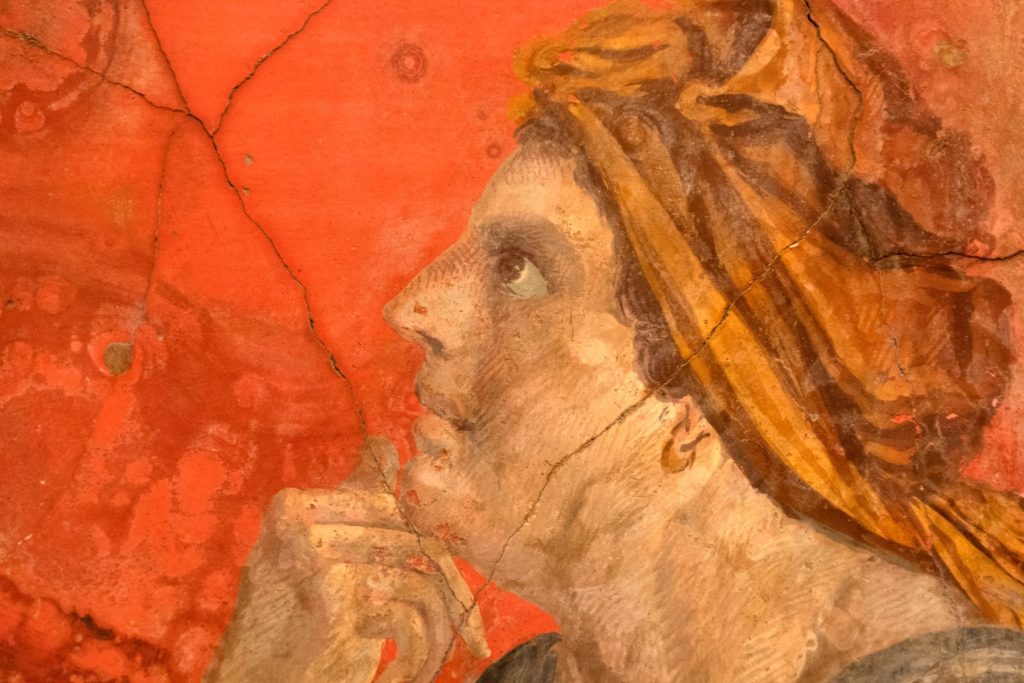
Villa of the Mysteries: Just outside the walls, famed for its breathtaking, complete fresco cycle.
-
Theaters & Amphitheater: Don’t miss the Grand Theatre and the ancient Amphitheatre.
-
Remarkable Homes: House of the Vettii (opulent frescoes), House of the Faun (largest villa).
Practicalities: Where to Eat & Are There Toilets?
Food & Drink Inside Pompeii:
There are no sit-down restaurants within the archaeological site, but there are options:
-
Cafeterias: There are two primary self-service cafeterias with indoor/outdoor seating. Cafeteria degli Scavi (near the Forum) and Cafeteria del Foro offer basic fare: panini, pizza slices, salads, pasta dishes, coffee, and cold drinks. Prices are higher than outside, but the convenience is unbeatable.
-
Vending Machines: Scattered around for water, soda, and small snacks.
-
Our Advice: For a better and more affordable meal, exit the site. Dozens of pizzerias, trattorias, and cafés line the streets near the entrances (especially near Porta Marina and Piazza Anfiteatro). Consider packing a picnic to enjoy at one of the designated grassy areas.
Restrooms (Toilets):
Yes, there are public restrooms (servizi igienici) inside Pompeii. Key locations are:
-
Near the Forum (by the cafeteria and the main souvenir shop).
-
Near the Amphitheatre.
-
Facilities are modern and generally well-maintained, but it’s advisable to carry your own hand sanitizer and tissues, especially during peak hours. Note: There are no restrooms in the remote sections of the park, so plan accordingly.
Frequently Asked Questions (FAQ)
Q: How much time do I need in Pompeii?
A: A minimum of 4 hours for highlights. A full day (6-7 hours) is ideal to explore comfortably.
Q: Is it better to get a guide or an audio guide?
A: A licensed live guide provides invaluable context. The official audio guide is a good alternative, or download a reputable audio tour app before arriving.
Q: Can I visit both Pompeii and Herculaneum in one day?
A: It’s ambitious. We recommend a full day for each. If combining, start at Pompeii at opening time, then take the Circumvesuviana train to Ercolano (Herculaneum) for the afternoon.
Q: What should I wear and bring?
A: Sturdy walking shoes are mandatory. Dress for the weather: sun protection in summer, layers and a waterproof jacket in winter. Bring a refillable water bottle (there are drinking fountains on site).
Q: Is Pompeii accessible for visitors with mobility issues?
A: The site is very challenging due to uneven surfaces. A suggested accessible route is available. Contact the site’s information office in advance for detailed advice.
Pro Tips for an Optimal Visit
-
Beat the Crowds: Enter at the Piazza Anfiteatro entrance instead of the main Porta Marina.
-
Smart Timing: Arrive at opening or visit in the late afternoon (last 3 hours) for softer light and fewer people.
-
Extended Ticket: Your Pompeii ticket includes entry to Oplontis and Boscoreale within 3 days—a fantastic way to delve deeper.
-
Preserve the Site: Do not touch frescoes or climb on ruins. Follow all marked pathways.
Final Advice
Pompeii is more than a ruin; it’s a story etched in stone and ash. By planning ahead for weather, sustenance, and logistics, you can focus entirely on the awe of standing where history unfolded. Allow yourself to wander, imagine, and reflect in this powerful place where time stands still.
Information is subject to change. Always verify hours, tickets, and opening status on the official website of the Archaeological Park of Pompeii before your trip.