The Ultimate Guide: Best Time to Visit Italy
Introduction
Italy, a country woven from the threads of ancient history, breathtaking landscapes, and la dolce vita, is a destination for all seasons. But with its diverse regions stretching from Alpine peaks to sun-drenched Mediterranean islands, the “best” time to visit is not a simple answer—it’s a personal itinerary waiting to be crafted. This month-by-month guide will navigate you through Italy’s climatic rhythms and seasonal splendors, helping you pinpoint your perfect Italian moment.
January: The Quiet Winter’s Tale
Weather: Italy’s deepest winter. Days are short, with crisp, cold air, especially in the north (Milan, Venice: 0-6°C). Central regions like Rome see milder temperatures (5-12°C), while the far south and Sicily remain cool but manageable (10-15°C). Snow blankets the Alps and Dolomites, ideal for skiers.

The Experience: This is Italy at its most authentic and crowd-free. It’s the month for cultural immersion without queues—imagine having the Uffizi or the Colosseum almost to yourself. Epiphany celebrations on January 6th bring festive markets and the whimsical figure of La Befana. It’s prime time for Alpine skiing in Cortina or Courmayeur, and for indulging in rich, warming cuisine—think truffle-laced pasta, polenta, and hearty stews in a cozy trattoria.
February: Carnival & Crisp Air
Weather: Similar to January, but with glimpses of lengthening days. Cold persists, with a chance of nevicata (snowfall) even in Rome or Florence, creating magically empty, photogenic piazzas.
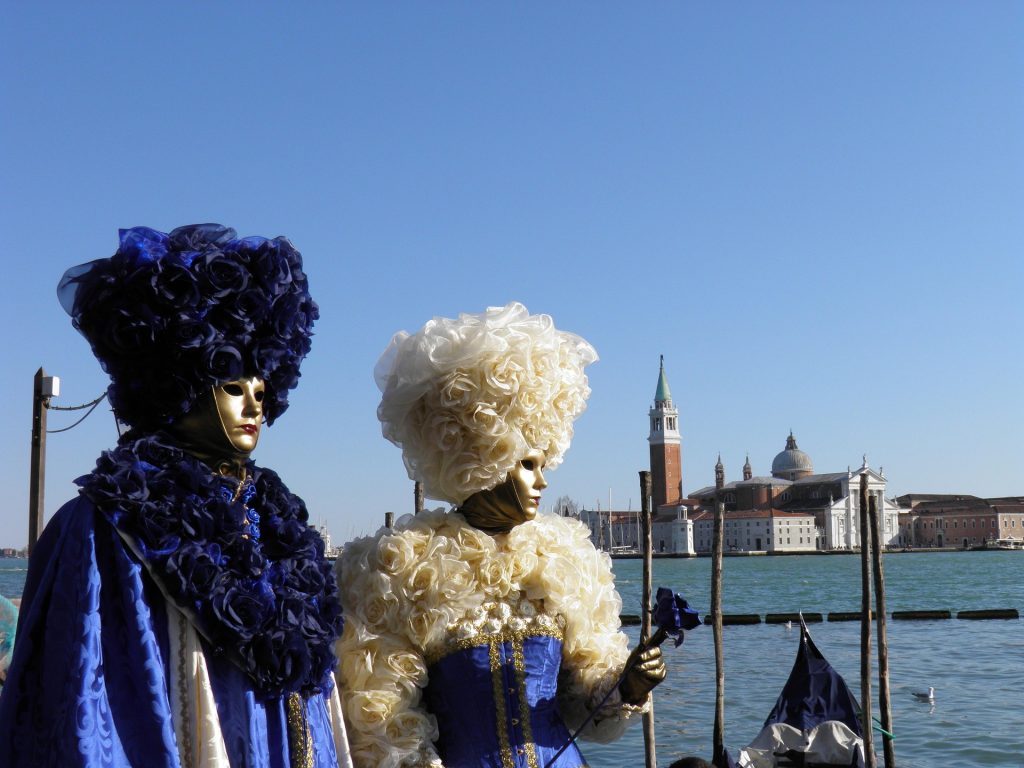
The Experience: February is dominated by Carnevale, Italy’s most flamboyant pre-Lent festival. Venice is the undisputed star, a spectacle of elaborate masks, historic costumes, and atmospheric mystery. Viareggio hosts a rival carnival famous for its satirical papier-mâché floats. It’s also a fantastic month for a city-break in art capitals, enjoying world-class opera at La Scala (season opens in December), and savoring hot chocolate so thick your spoon stands up.
March: The Awakening
Weather: A transitional month where winter reluctantly releases its grip. Temperatures become milder (Rome: 8-16°C), but unpredictability reigns—sunny days can swiftly turn to rain (marzo, pazzerello—”March, a little crazy,” as the saying goes). The south starts to warm appreciably.
The Experience: Witness Italy stirring from its slumber. Early blossoms appear in the south. It’s an excellent time for hiking in the softer landscapes of Cinque Terre or the rolling hills of Tuscany and Umbria, before the summer heat and crowds. Women’s Day (Festa della Donna) on March 8th sees mimosa blossoms sold on every street corner. Easter (Pasqua) sometimes falls in March, bringing profound religious processions and celebrations, especially in Sicily and rural towns.
April: La Primavera in Full Bloom
Weather: True spring arrives. Days are pleasantly warm (Florence: 10-20°C), nights are cool, and the countryside explodes in a riot of wildflowers. Rain showers are still possible but contribute to the lush, green scenery.
The Experience: Arguably one of the most beautiful months to visit. The poppy fields of Tuscany are a photographer’s dream. It’s perfect for garden lovers, with Villa d’Este in Tivoli and the Boboli Gardens in Florence at their peak. Open-air exploring is a joy—cycle city walls in Lucca, stroll the Roman Forum, or take a boat to Capri with manageable tourist numbers. Easter celebrations, if in April, are a highlight.
May: The Sweet Spot
Weather: Glorious. Warm, sunny days (Rome: 14-24°C) and balmy evenings dominate. The landscape is vibrant green, and the summer humidity has yet to descend.
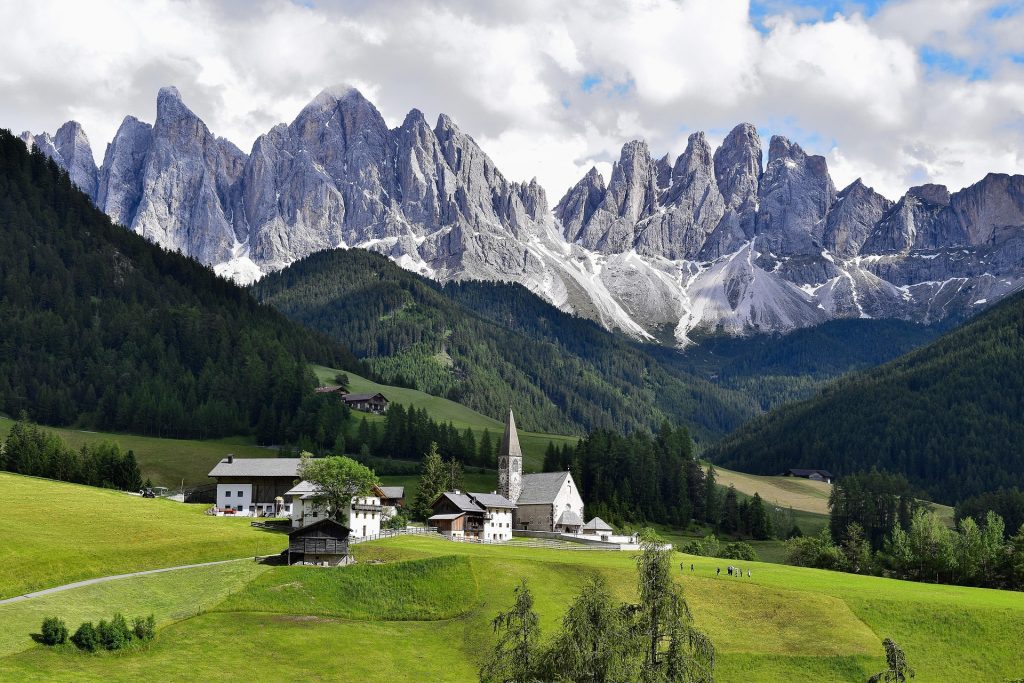
The Experience: May is prime time for almost every activity. It’s ideal for amalfi Coast drives, hiking in the Dolomites as passes re-open, and exploring ancient ruins in Pompeii without the scorching sun. The Venice Biennale (in odd-numbered years) kicks off. It’s also festival season, from the Maggio Musicale Fiorentino to the Sardinian Cavalcata. Be prepared for higher prices and more visitors, but the conditions are near-perfect.
June: The Sun-Kissed Prelude to Summer
Weather: Summer begins in earnest. Days are long, hot, and sunny (Sicily: 20-30°C), especially in the south. The coast beckons, though the Mediterranean is still warming up. Evenings remain delightful.
The Experience: Energy is high. Beach clubs in Sardinia and Puglia start buzzing. Lake Como and Lake Garda hit their stride for sailing and lakeside promenades. It’s the month for festivals: Calcio Storico in Florence, the Infiorata flower carpet in Spello, and the Feast of St. John (San Giovanni) in Rome and Florence with fireworks. Towards late June, crowds swell as European school holidays begin.
July & August: High Season Heat & Hustle
Weather: Hot and often humid, especially in cities (Milan, Rome can exceed 35°C). The south is scorching, while coastal areas enjoy sea breezes. The Alps offer a cool, scenic refuge.

The Experience: This is Italy in full holiday mode. Italians flock to the coast (Ferragosto on August 15th is a national beach holiday), leaving cities quieter but hotter. It’s the best time for a classic beach holiday in Sardinia, Puglia, or the Aeolian Islands. Music festivals like the Umbria Jazz Festival and opera in Verona’s ancient Arena are unforgettable. However, be prepared for intense crowds at major sights, higher prices, and the potential for heat discomfort in inland cities.
September: The Second Spring
Weather: Arguably the most perfect month. Summer’s heat mellows into golden, sunny days and comfortably cool nights (Tuscany: 15-26°C). The sea is at its warmest, perfect for swimming.
The Experience: The magic returns. The harvest season begins—grape harvesting (vendemmia) for wine and olives for oil. It’s a sublime time for food and wine tours in Piedmont (for truffles and Barolo) or Chianti. Hiking and coastal exploring are blissful. The Regata Storica in Venice and Joust of the Saracen in Arezzo offer historic pageantry. A balance of great weather and slightly thinning crowds (after early September).
October: The Golden Autumn
Weather: Crisp air and changing leaves. Days are mild (Rome: 11-22°C), nights are chilly, especially in the north. Rain becomes more frequent, particularly in the second half of the month.
The Experience: A season of rich colors and flavors. Truffle hunting in Alba (for the prized white truffle) and its eponymous festival dominate the culinary scene. Forests in the Dolomites, Tuscany, and Umbria turn spectacular shades of gold and red. It’s an artist’s month for photography and painting. City breaks are excellent again, with a cozy atmosphere perfect for museum-hopping and enjoying hot vin brulé (mulled wine).
November: The Reflective Interlude
Weather: Late autumn chills set in. Days are shorter, cooler, and often damp (Florence: 6-14°C). Fog (nebbia) frequently envelops the Po Valley and Tuscan hills, creating an ethereal atmosphere.
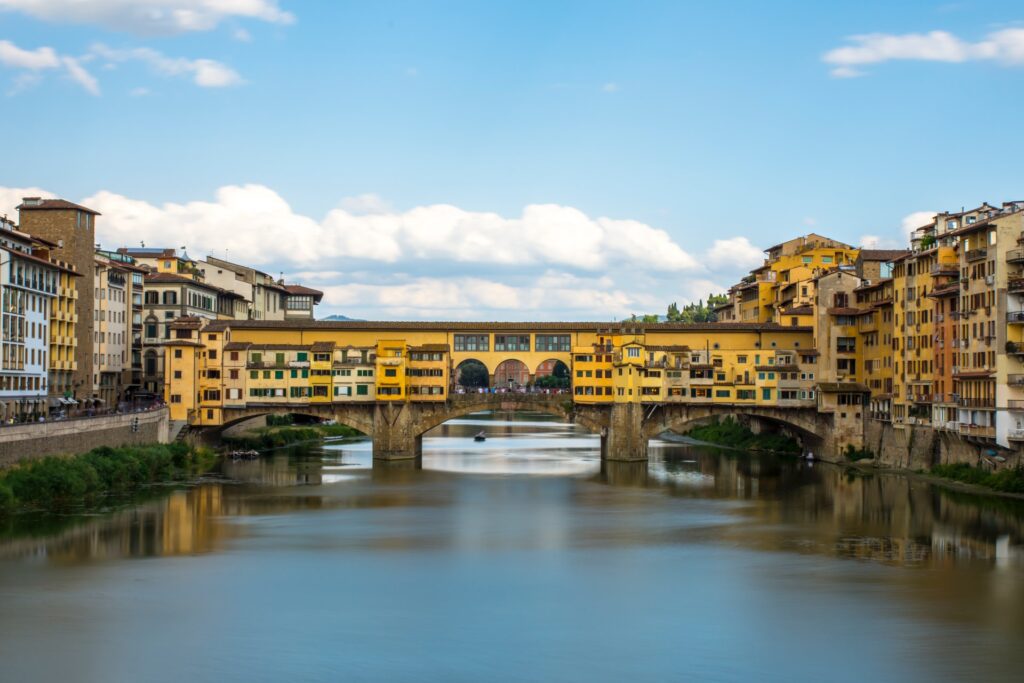
The Experience: A deeply local and peaceful time. It’s perfect for focused art visits—contemplate Caravaggio in empty churches or spend hours in the Vatican Museums. Olive oil harvest is in full swing; visit a frantoio (mill) for a tasting. All Saints’ Day (November 1st) sees Italians visiting cemeteries, a poignant cultural insight. The Christmas light installations begin in major cities towards month’s end, adding early sparkle.
December: The Festive Finale
Weather: Winter returns, with cold temperatures and a chance of snow in the north. Central Italy is cold but often bright. The Alps are firmly in their ski season.
The Experience: All about Christmas magic. From the stunning presepi (nativity scenes) in Naples to the Christmas markets in South Tyrol (Bolzano) and Rome’s Piazza Navona, the spirit is infectious. Enjoy world-class shopping in Milan, see the Pope’s Christmas Eve Mass in Vatican City, and feast on festive seafood on Christmas Eve (La Vigilia). Ski resorts are lively, and cities are adorned with lights and decorations, offering a uniquely joyful atmosphere.
The Verdict: When is Your Best Time?
-
For Perfect Weather & Balance: May, June, September, and early October. These months offer the ideal harmony of climate, open attractions, and vibrant local life.
-
For Budget & Solitude: January, February, and November. You’ll trade some sunshine for lower prices, shorter lines, and an authentic slice of Italian daily life.
-
For Beach & Sun Worshippers:** July, August, and early September. Expect heat, crowds, and high energy, especially on the coasts.
-
For Culture & City Breaks: April, October, and December. Pleasant or festive atmospheres make exploring urban treasures a joy.
-
For Food & Wine Pilgrims: September (wine) and October/November (truffles & oil). Follow the harvest for an unforgettable gastronomic journey.
Ultimately, Italy possesses a rare, year-round allure. There is no bad month, only a different facet of its diamond to discover. Choose the season that resonates with your travel soul, and la bellezza will follow.