
Best Time To Visit Spain: A Month-by-Month Guide to Your Perfect Iberian Escape
Introduction
Spain’s allure is timeless, but its experience is deeply seasonal. From the snow-dusted sierras to sun-baked Mediterranean coves, the “best” time to visit is not a single answer, but a reflection of your desires. Whether you seek vibrant festivals, perfect beach weather, cultural immersion without the crowds, or ski adventures, Spain delivers year-round. This guide navigates the climate, crowds, and unique opportunities each month presents, helping you chart your ideal Iberian journey.
There is no universally “best” month for Spain—only the best month for you. Seek sun-drenched revelry? Target July or August. Desire perfect temperatures for sightseeing and hiking? May, June, or September are ideal. Yearn for deep cultural immersion and fewer crowds? Embrace the cooler, authentic charms of November, February, or January. Spain’s eternal beauty is that it is always en fiesta in one form or another; your task is simply to choose which season’s celebration calls to your spirit.
January: Alpine Charm & Cultural Calm
Weather: Winter holds sway. Interior regions like Madrid and the central plateau are cold (avg 2-10°C/36-50°F), with crisp, bright days and frosty nights. The north is wet and chilly. The Canary Islands, however, offer a subtropical escape (18-22°C/64-72°F). Southern Andalusia sees milder days but cold evenings.
Why Visit: This is the month for skiing in the Pyrenees (Baqueira Beret) or the Sierra Nevada, home to Europe’s southernmost ski resort. Cities like Madrid, Barcelona, and Seville belong to the locals—museums (the Prado, Reina Sofía) are quiet, and you can enjoy tapas in cozy bars without the queues. The highlight is the Día de Reyes (Three Kings’ Parade) on January 5th, a magical night of glittering processions and gift-giving.
The year begins not with a whisper, but with the frantic consumption of twelve grapes at midnight on Nochevieja (New Year’s Eve), a quirky national tradition in Madrid’s Puerta del Sol. January then offers a contrast of serene piety and chaotic joy. On January 5th, vibrant Cabalgatas de Reyes(Three Kings’ Parades) fill cities with glittering floats, dispensing sweets to children. Just days later, on January 17, the small town of San Antonio Abad sees blessings of animals, a charming, ancient rite. In the Pyrenees, the Fiesta de San Sebastián in villages like Sort showcases unique “falling fiestas” where participants leap over bonfires, cleansing the new year.
February: Carnival Fever & Emerging Blossoms
Weather: Similar to January, but with hints of lengthening days. Northern coasts remain damp. The almond trees begin to bloom in coastal regions, offering the first pastel hints of spring.
Why Visit: Carnival is the undisputed star. Experience the dazzling, Rio-rivalling spectacle of Santa Cruz de Tenerife or the satirical, musical genius of Cádiz’s chirigota troupes. It’s also an excellent month for food and wine tourism—visit the bodegas of La Rioja or Ribera del Duero in peace. Ski season remains in full swing.

March: The Pivot of Spring & Fallas Fire
Weather: Unpredictable, but often delightful. Temperatures become pleasantly mild, especially in the south (12-20°C/54-68°F). You can still get rainy spells, but sunshine dominates more often than not.
Why Visit: This is prime time for city breaks and hiking before the summer crush. The cultural calendar ignites with Las Fallas in Valencia (March 15-19), a pyrotechnic festival of art, satire, and breathtaking bonfires. It’s also a beautiful month to explore Andalusia’s iconic cities—Seville, Granada, Córdoba—and see the countryside awash with wildflowers.
April: Festive Perfection & Natural Beauty
Weather: Often considered one of the very best months weather-wise. Days are warm and sunny across most of the country (15-23°C/59-73°F), with landscapes lush and green. Evening coolness lingers.
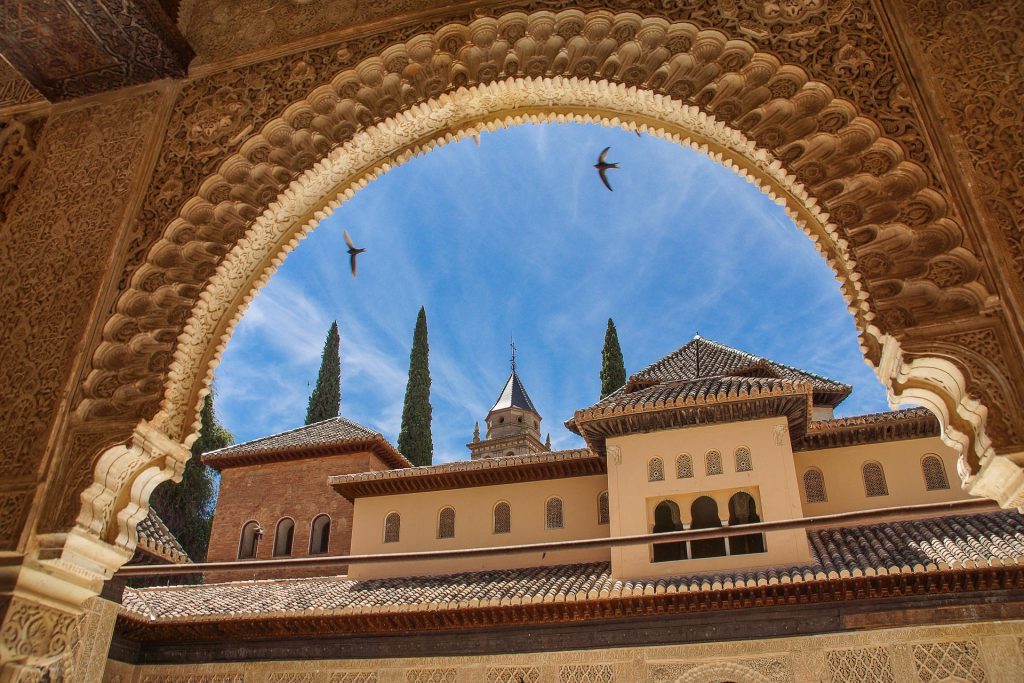
Why Visit: The twin titans of Semana Santa (Holy Week) and the Feria de Abril in Seville define April. Witness the profound, dramatic processions of Andalusia, then, just weeks later, join the joyous, flamenco-filled celebration of the Seville Fair. It’s also sublime for road-tripping through regions like Extremadura or visiting the Alhambra in comfortable temperatures.
May: The Sweet Spot
Weather: Near-perfect. Warm, sunny days (18-26°C/64-79°F) and comfortably cool nights. The risk of rain diminishes, and the summer heat has not yet arrived.
Why Visit: Arguably the optimal month for broad exploration. Hike the Camino de Santiago without summer crowds, wander the flower-filled patios of Córdoba, or explore Barcelona’s architecture in blissful warmth. Beaches in the south start to become inviting. The Madrid Open tennis and various wine harvest festivals add to the appeal.
June: The Gateway to Summer
Weather: Summer begins in earnest. Hot, dry weather sets in, especially inland (22-30°C/72-86°F). Coastal areas benefit from sea breezes. The days are long, with sunlight until nearly 10 PM.
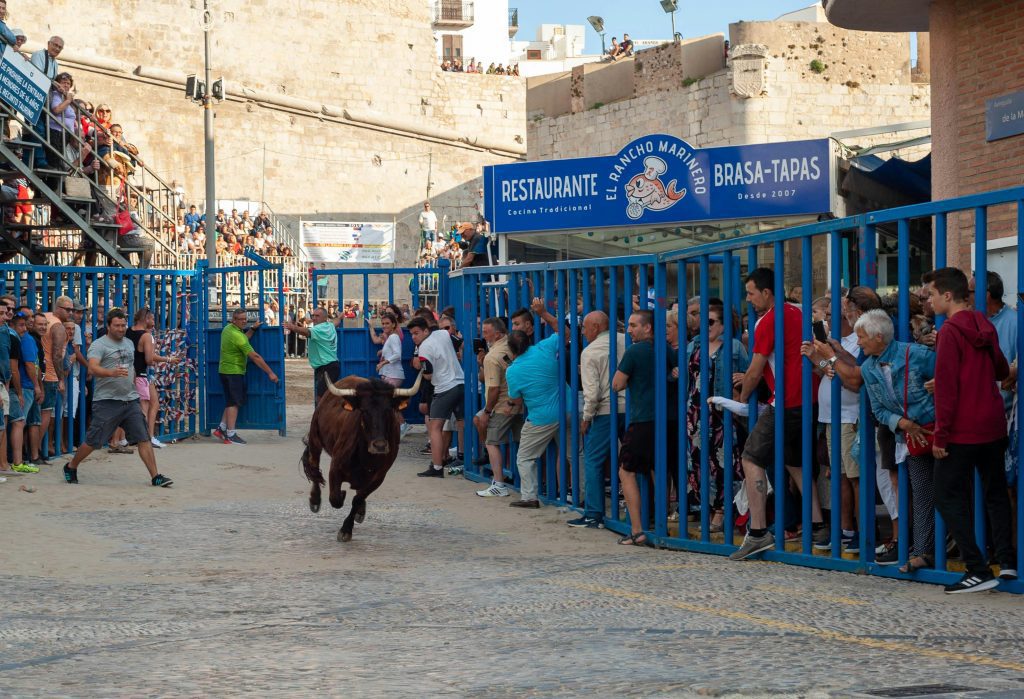
Why Visit: Enjoy beach time on the Costa del Sol or Balearic Islands before the peak July/August invasion. Experience the magic of the San Juan bonfire festivals on the night of June 23rd, a pagan celebration on beaches nationwide. It’s festival season too, with events like the Sonar music festival in Barcelona. Across Spain, but most spectacularly on beaches from Alicante to San Sebastián, bonfires are lit at dusk. People leap over flames for purification, write wishes on paper to burn, and at midnight, run into the sea to wash away evil spirits and welcome luck. In Ciudad Rodrigo, Castile and León, June hosts the unique Carnaval del Toro, a blend of running bulls, traditional dress, and historical pageantry.
July & August: Peak Sun & Fiesta Frenzy
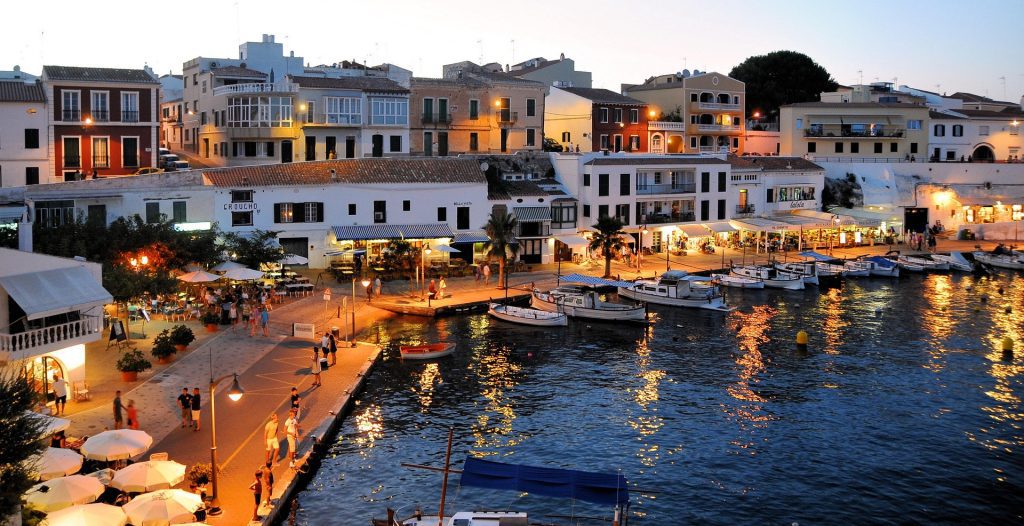
Weather: Hot and often intensely so, particularly in interior cities like Seville and Córdoba, which can exceed 40°C (104°F). Coastal regions are hot but tempered by the sea. The north offers warm but more manageable conditions.
Why Visit: This is the time for dedicated beach holidays, island-hopping in the Balearics (Mallorca, Ibiza) or Canaries, and legendary festivals. Dive into the relentless energy of San Fermínin Pamplona (July) or the chaotic fun of La Tomatina in Buñol (August). It’s high season: expect premium prices, crowded sights, and a vibrant, lively atmosphere everywhere.
August: Tomatoes, Horses, and Global Culture
August offers diversity. On the last Wednesday of the month, Buñol, Valencia, hosts La Tomatina. For one chaotic hour, the town square becomes the setting for the world’s largest food fight, as thousands hurl over 100 tonnes of tomatoes in a purely fun, crimson-covered riot. Earlier in the month, the south shines with the Feria de Málaga (mid-August), a vibrant week of flamenco, sherry, and equestrian displays. In the north, Semana Grande in San Sebastián fills the city with international fireworks competitions and free open-air concerts, showcasing a more cosmopolitan festival vibe.
September: The Extended Summer
Weather: Frequently the most glorious month. The fierce August heat mellows into golden, warm days (20-29°C/68-84°F), while the sea remains beautifully warm. The light is softer, and the crowds begin to thin.
Why Visit: The perfect blend of summer and serenity. Enjoy beach relaxation without the peak crowds, go hiking in the Picos de Europa, or attend major cultural events like Barcelona’s Festa de la Mercè. It’s also the heart of the grape harvest; visit La Rioja or Priorat to see—and taste—the action.
October: Autumn’s Golden Glow
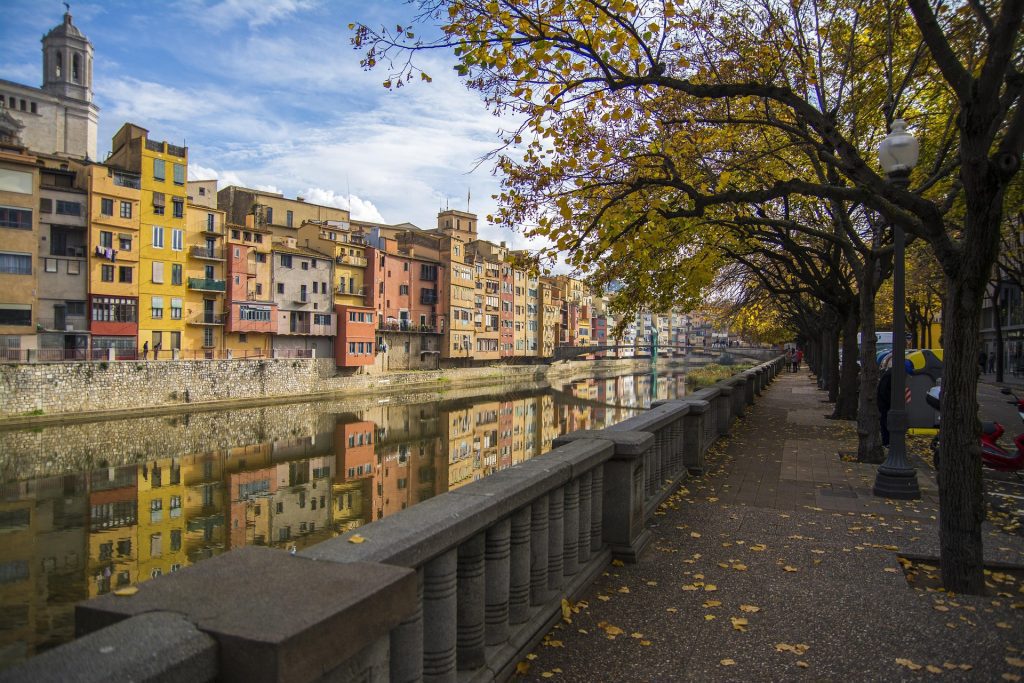
Weather: Generally mild and pleasant, especially in the first half. You can still expect many sunny days (15-24°C/59-75°F), with cooler nights. Rain becomes more frequent in the north.
Why Visit: A fabulous month for culture, food, and wine. The cities are lively but manageable. Witness the stunning Fiestas del Pilar in Zaragoza with its flower offering. It’s mushroom-foraging season in Catalonia and a prime time for gastronomic tours through the Basque Country or Galicia (feast on pulpo á feira).
November: Quiet Reflection & Chestnut Roasts
Weather: Autumn deepens. Days grow shorter and cooler (8-16°C/46-61°F), with increased rainfall, particularly in the green north. The Canaries remain a warm haven.
Why Visit: Experience Spain at its most local. This is a month for city culture—explore Madrid’s art galleries, Gaudi’s Barcelona, or the historic quarters of Toledo and Salamanca in peace. The landscape, especially in regions like Navarra, is painted in stunning autumn hues. Savor the simple tradition of eating roasted chestnuts around All Saints’ Day.
December: Festive Lights & Mountain Magic
Weather: Winter returns. Cold and crisp in the interior, often with bright blue skies. The possibility of snow dusts the mountains. The south is cool but often sunny during the day.
Why Visit: Embrace the magical Christmas season. Admire the spectacular light displays on Madrid’s Gran Vía or Barcelona’s Passeig de Gràcia. Witness the unique Christmas Lottery draw (El Gordo) on December 22nd. Ski season begins in the mountains, while the south offers a cooler but culturally rich escape to see the magnificent Nativity scenes (Belenes) in cities like Granada.