The Ultimate Italy Trip Planner: Craft Your Dream Journey
Introduction
Welcome to the art of planning an Italian adventure. Italy is not a single destination, but a mosaic of distinct regions, each with its own dialect, cuisine, and character. This planner will guide you through the essential steps to design a trip that balances iconic sights with authentic immersion, creating a journey that is uniquely yours.
The Dream & The Foundation
Define Your “Why” & Travel Style:
-
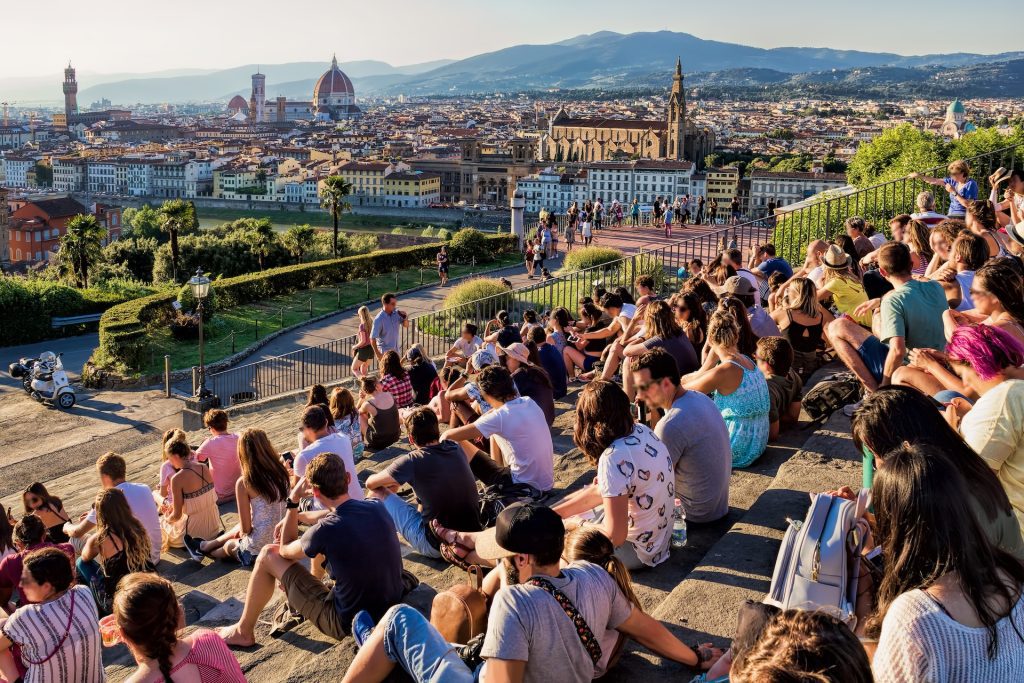
The Classic First-Timer: Art, history, and iconic cities (Rome, Florence, Venice).
-
The Culinary Devotee: Food & wine pilgrimages (Emilia-Romagna, Piedmont, Sicily).
-
The Coastal Dreamer: Dramatic cliffs and turquoise seas (Amalfi Coast, Puglia, Cinque Terre, Sardinia).
-
The Rustic Wanderer: Hill towns, vineyards, and slow living (Umbria, Le Marche, rural Tuscany).
-
The Active Explorer: Hiking the Dolomites, cycling Puglia, volcano trekking in Sicily.
Choose Your Season Wisely:
-
High Season (Jun-Aug): Vibrant, crowded, hot, and expensive. Best for beach holidays and long, lively evenings.
-
Shoulder Season (Apr-May, Sep-Oct): Ideal for most travelers. Pleasant weather, manageable crowds, vibrant local life.
-
Low Season (Nov-Mar): Cold, rainy (especially north), but magical for cities (no queues!), Christmas markets, skiing in the Alps, and lower prices.
Draft a Realistic Itinerary: The Golden Rule
-
The Cardinal Sin: Trying to see too much. You will enjoy your trip more if you travel less.
-
The Guideline: Minimum 3 nights per major city, 4-7 nights per region.
-
Example 10-Day Classic: 3 nights Rome → 3 nights Florence (with day trip to Siena/Tuscany) → 1 night in transit (e.g., Chianti) → 3 nights Venice.
-
Example 14-Day Deeper Dive: 4 nights Rome → Rent car → 3 nights Umbrian hill town (e.g., Orvieto/Spoleto) → 4 nights Tuscan countryside (e.g., Val d’Orcia) → 3 nights Florence (drop car).
-

Book the Non-Negotiables:
-
International Flights: Fly into one city and out of another (e.g., Rome in, Venice out) to avoid backtracking.
-
Major City Accommodation: Especially for Rome, Florence, Venice, and coastal hotspots in summer. Opt for central B&Bs, boutique hotels, or reputable apartments.
-
Key Experiences with Limited Capacity: This is critical. Book months in advance for:
-
The Last Supper (Milan)
-
Uffizi Gallery & Accademia (Florence)
-
Vatican Museums & Colosseum Underground (Rome)
-
Borghese Gallery (Rome)
-
Popular cooking classes or truffle hunts
-
Gondola rides (for a specific time)
-
Plan Your Logistics:

-
To Drive or Not to Drive?
-
YES for countryside, wine regions, Puglia, Sicily, the Dolomites.
-
NO for city-focused trips (Rome-Florence-Venice). Use Italy’s excellent high-speed trains (Trenitalia, Italo).
-
-
Train Travel: Book high-speed (Frecciarossa/Italo) tickets in advance for the best prices. Regional trains can be purchased day-of.
-
Internal Flights: Useful for long hops (e.g., Rome to Sicily, Milan to Puglia). Compare with train times/costs.
Book Secondary Accommodation & Tours:
-
Secure your countryside agriturismo, masseria, or smaller hotel.
-
Book other guided tours (walking tours, food tours) and popular restaurants.
Dive into the Details:
-
Learn Basic Italian: Master greetings, please, thank you, and menu basics. It transforms your experience.
-
Create a Digital Toolkit:
-
Apps: Trenitalia/Italo (trains), Moovit (city transit), Google Maps (offline lists), TheFork (restaurant reservations).
-
Resources: Save blogs, Google Maps pins for restaurants/sights, and PDFs of tickets/reservations.
-
Craft a Daily Rhythm, Not Just a Schedule:
-
Embrace the Italian flow: Morning sightseeing, long lunch/riposo (rest), late afternoon stroll (passeggiata), evening aperitivo, late dinner.
-
Cluster sights geographically each day. Always leave room for serendipity—the discovered bakery, the inviting courtyard, the local festival.
Final Confirmations & Packing:
-
Confirm all bookings. Print or have digital copies of tickets, reservations, and insurance.
-
Pack Smart: Comfortable walking shoes are non-negotiable. Dress in layers. Remember a plug adapter, portable charger, and a scarf/shawl for covering shoulders in churches.
-
Money: Notify your bank. Have a no-foreign-transaction-fee debit/credit card (for ATMs) and a small amount of euros for initial expenses.
-
Pre-Departure Checklist:
-
Travel insurance with medical coverage
-
Notify bank/credit card companies
-
Check passport validity (6+ months)
-
Download offline maps & key documents
-
Pack adapters, comfy shoes, a sense of adventure
-
Sample Trip Blueprints
- 3-Day Italy Trip Naples to Capri
- 5-Day Italy Trip Veloce Italy
- 8 Day Italy Trip All’Italiana
- 8-Day Italy Trip Essential Puglia
- 8-Day Italy Trip Italy Amore Mio
- 9-Day Italy Trip Northern Italy
- 10-Day Italy Trip Mamma Mia
- 11-Day Italy Trip Italian Discovery
- 11-Day Southern Italy Trip
Italy Travel Etiquette
Respecting local customs will enrich your experience and earn you warmer interactions.
-
Greetings: Always offer a “buongiorno” (good day) or “buonasera” (good evening) when entering a shop, cafe, or restaurant. “Ciao” is for friends.
-
Dress Code: Italians dress neatly. Cover shoulders and knees when entering churches (carry a light scarf). Avoid beachwear in towns.
-
Coffee Culture: Drink cappuccino or other milky coffees only before 11 AM. An espresso (“un caffè”) is the standard after a meal. Drink it quickly at the bar; sitting at a table costs significantly more.
-
Dining: Meals are a social event. Rushing is frowned upon.
-
Tipping: Not obligatory. Service (servizio) is usually included. It’s customary to leave small change or round up the bill (€1-5) for good service in casual spots. In upscale restaurants, 5-10% is a generous gesture.
-
The Cover Charge: The “coperto” (€1-3 per person) is a standard sitting fee for bread and table service, not a tip.
-

-
The Passeggiata: Join the early evening stroll in town centers. It’s a social ritual, not just a walk.
-
Queueing (Or Lack Thereof): Lines can be fluid. Be politely assertive but don’t expect strict, silent queues. At a deli or bakery, you often need to take a numbered ticket (prendere un numero).
-
Piano, Piano: “Slowly, slowly.” Patience is a virtue, especially when dealing with Italian bureaucracy or crowded spaces.
-
Embrace the “Untold”: Allow time to wander without a map. Say yes to the invitation for a coffee. Prioritize a meal with a view over rushing to another museum.
Frequently Asked Questions (FAQ)
Money & Payments
-
What is the currency in Italy?
-
The Euro (€). Notes: 5, 10, 20, 50, 100, 200, 500. Coins: 1, 2, 5, 10, 20, 50 cents, €1, €2.
-
-
Can I use credit cards in Italy?
-
Yes, widely. Visa and MasterCard are accepted almost everywhere in cities and tourist areas. American Express is less common. Always carry some cash (€50-100) for small shops, markets, taxis, and rural establishments.
-
-
Should I exchange money before I go?
-
No. You will get a poor rate. Instead:
-
Use a Bank ATM (Bancomat) in Italy: This offers the best exchange rate. Decline “dynamic currency conversion” (being charged in your home currency).
-
Use a No-Foreign-Transaction-Fee debit/credit card for purchases.
-
-
-
How much should I tip in Italy?
-
Restaurants: (See Etiquette above) Rounding up or small change is standard.
-
Taxis: Round up to the nearest euro.
-
Tour Guides: €5-10 per person for a half-day tour is appreciated for excellent service.
-
Hotel Housekeeping: €1-2 per night, left on the pillow or with a note.
-
Logistics & Safety
-
What are standard business hours in Italy?
-
Shops: Typically Mon-Sat, 9:30/10 AM – 1 PM, then 3:30/4 PM – 7:30 PM. Many close Monday morning and all day Sunday. Large cities and tourist centers have longer, continuous hours.
-
Banks: Mon-Fri, 8:30 AM – 1:30 PM and maybe 30 mins in the afternoon.
-
Restaurants: Lunch ~12:30-3 PM, Dinner ~7:30-11 PM. Many close one day a week (chiuso per riposo).
-
-
Is it safe to travel to Italy?
-
Yes, Italy is very safe for travelers. The primary risks are petty theft (pickpocketing in crowded tourist areas, bag snatching from scooters). Stay vigilant, use a crossbody bag, and don’t leave phones/wallets on cafe tables.
-
-
Can I travel alone to Italy?
-
Absolutely. Italy is a fantastic destination for solo travelers. It’s safe, has excellent public transport, and is full of social experiences like group tours and cooking classes. Use standard solo travel precautions.
-
-
Does Italy have earthquakes?
-
Yes, Italy is a seismically active country, particularly in central and southern regions (e.g., Abruzzo, Umbria, Sicily). Major destructive quakes are rare. Familiarize yourself with basic safety procedures: get under a sturdy table or in a doorway if indoors, move to an open area if outside.
-
-
How do I reach authorities in an emergency?
-
General Emergency Number: 112 (Carabinieri). This single number connects you to police, medical, and fire services. Operators often speak English.
-
Ambulance: 118
-
Fire Department: 115
-
Practicalities
-
Do I need travel insurance to travel to Italy?
-
It is highly, highly recommended. While not legally required for most tourists, medical care for non-EU citizens is not free. A comprehensive policy covering medical emergencies, trip cancellation, lost luggage, and theft is essential for peace of mind.
-
-
Can I drive in Italy?
-
Yes, with a valid driver’s license. US/Canadian travelers need an International Driving Permit (IDP) alongside their home license. Rentals are usually manual transmission; specify automatic if needed. Driving is intense in cities (ZTL restricted zones are a major ticket risk) but glorious in the countryside.
-
-
What about electrical outlets, cell phones, and time zone?
-
Outlets: Type F (also accepts Type C “Europlug”). Voltage is 230V. You will need a power adapter for non-European plugs. Check if your devices are dual-voltage (100-240V) or need a converter.
-
Cell Phones: Ensure you have an international plan with your carrier or buy an Italian SIM card (from TIM, Vodafone, Wind) upon arrival for cheaper local data/calls. EU citizens benefit from “roam-like-at-home” rules.
-
Time Zone: Central European Time (CET, UTC+1). From late March to late October, Italy observes Daylight Saving Time (CEST, UTC+2).
-
-
Are taxis reliable?
-
Yes, but ensure they are licensed (white car with a taxi sign). Always ensure the meter is running or agree on a fare for longer trips in advance. Use apps like FREE NOW or IT Taxi to book official cabs. Rideshares like Uber operate mainly as premium taxi services in major cities.
-
Final Advice: Italy operates on its own rhythm. Embrace the occasional closure, the leisurely meal, the animated conversation. Your patience and respect for the local way of life will be repaid with an experience that goes far beyond the guidebook.
Buon Viaggio!